



Skip Content
You are currently on the new version of our website. Access the old version .

Applied Sciences

Applied Sciences is an international, peer-reviewed, open access journal on all aspects of applied natural sciences published semimonthly online by MDPI.

Quartile Ranking JCR - Q2 (Engineering, Multidisciplinary)
All Articles (85,076)

Wear Analysis for the Selection of Cutters for a Tunnel Boring Machine

  • Carlos Laín Huerta,
  • Anselmo César Soto Pérez and
  • Jorge Suárez-Macías
  • + 1 author

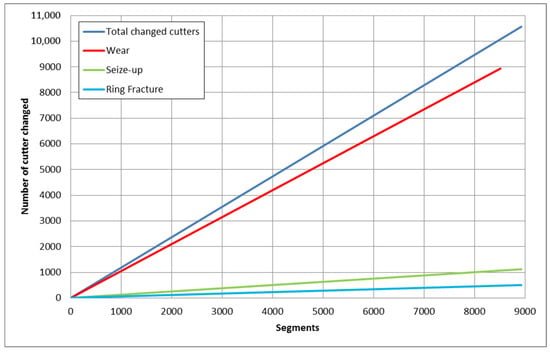
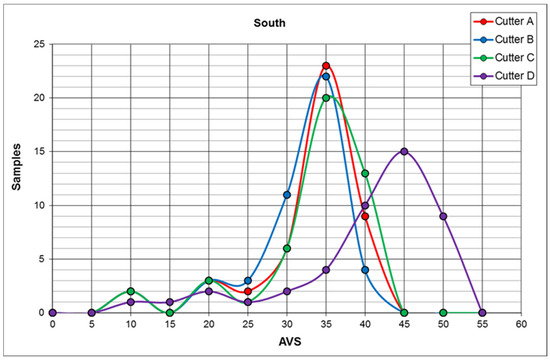
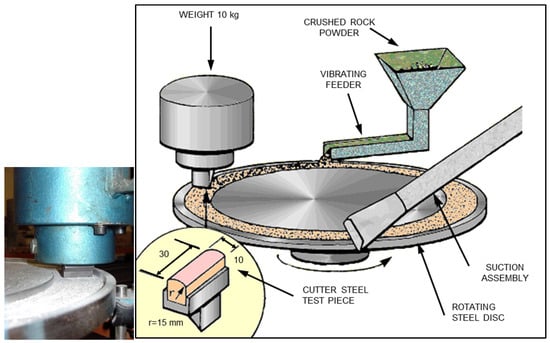
During the excavation of the Guadarrama railway tunnels, part of the Spanish high-speed rail network (AVE), distinct wear patterns were observed among four types of disc cutters employed in tunnel boring machines (TBMs). The central question addressed in this study is whether the differences in wear—specifically in the Abrasivity Value Steel (AVS) recorded for the four cutter types—are attributable to variations in their inherent wear resistance or to the variability of the tested lithologies and the testing procedures. If the latter hypothesis is confirmed, it would imply that substituting one cutter type for another would not result in significant changes in consumption rates, and that the observed variations would be primarily associated with lithological differences rather than cutter design. This paper presents a real case study concerning the selection of disc cutters for two TBMs used in the excavation of the Guadarrama tunnels. The rock mass encountered consisted predominantly of granite and gneiss.

7 February 2026

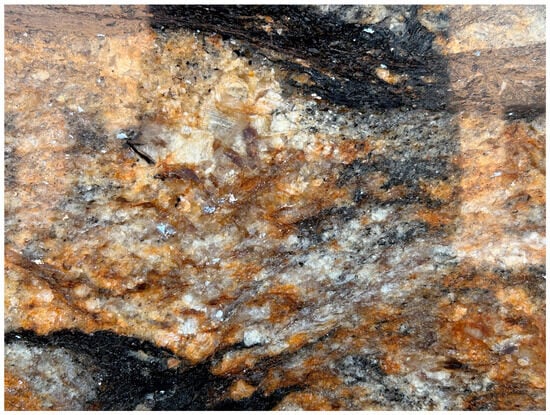
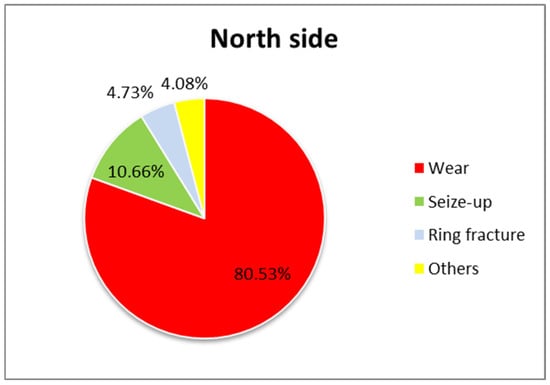
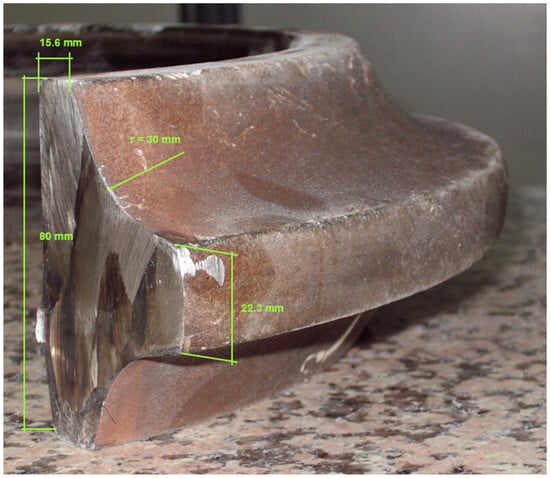
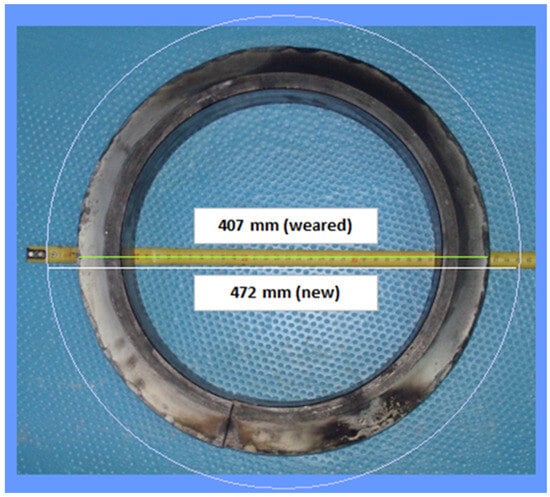
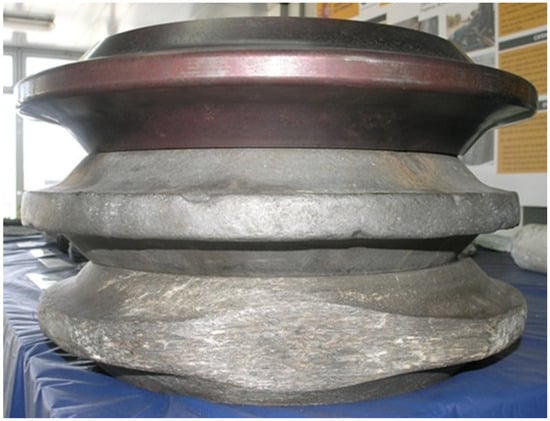
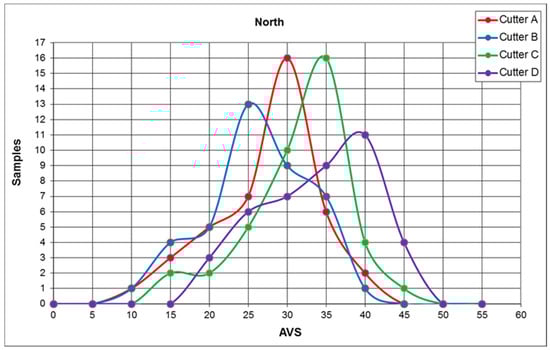
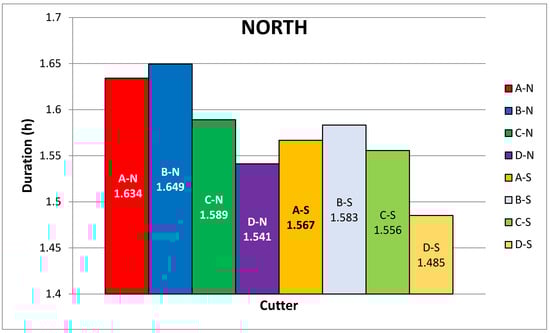
Cumulative cutter consumption during excavation from the northern portal of the Guadarrama tunnels.

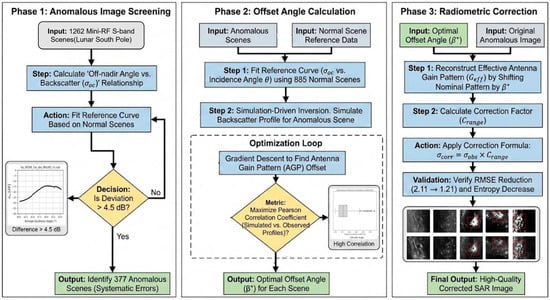
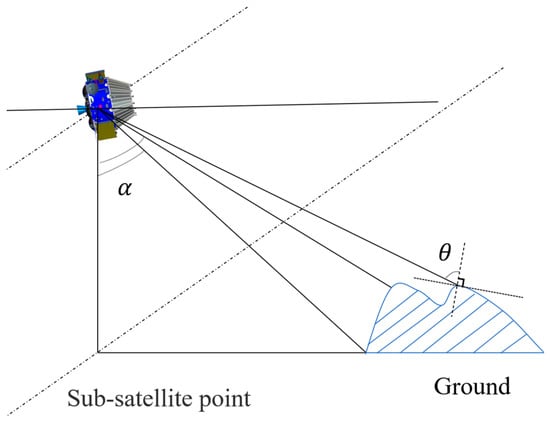
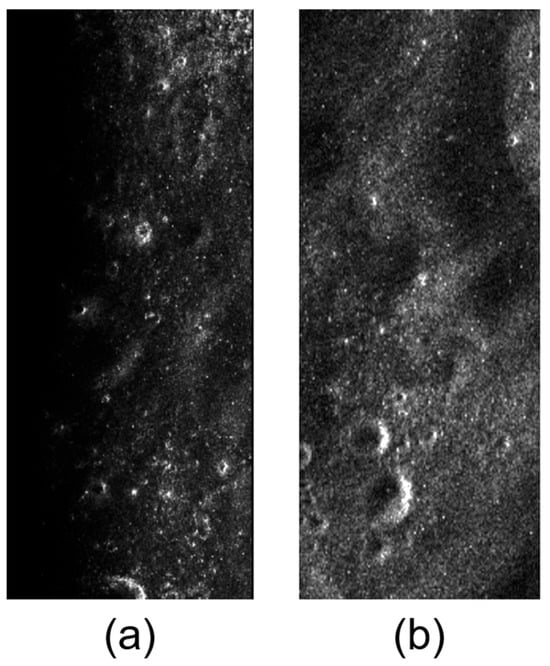
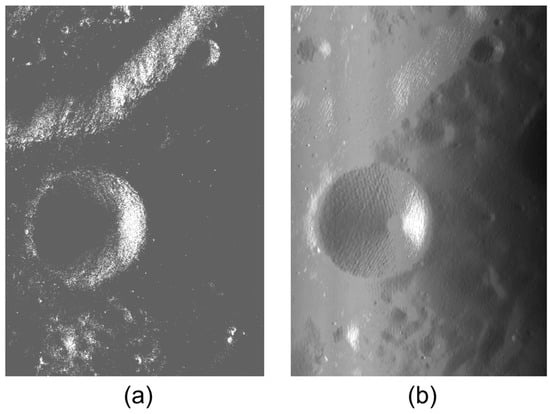
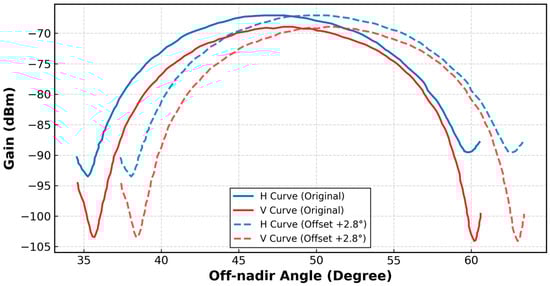
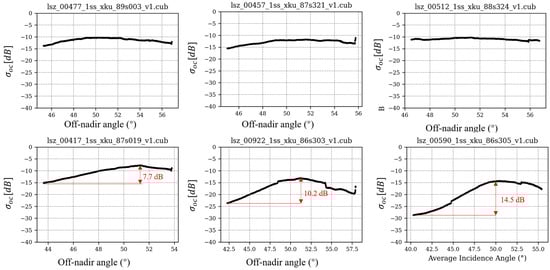
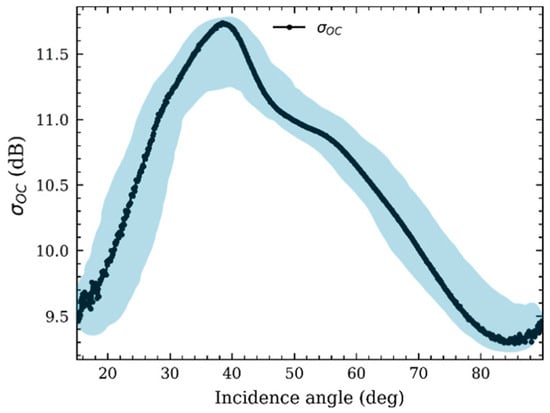
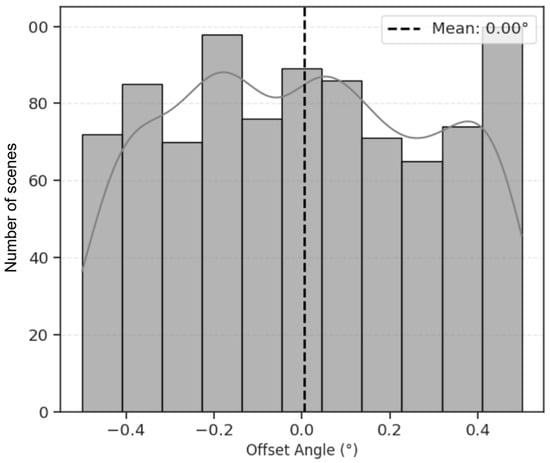
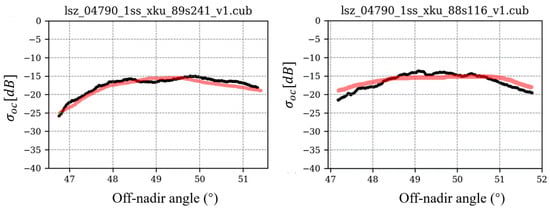
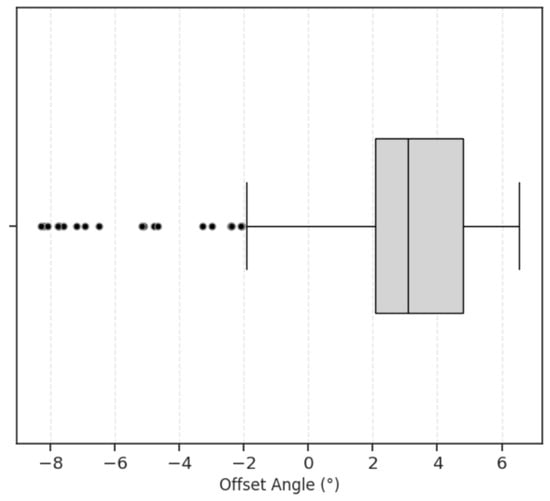
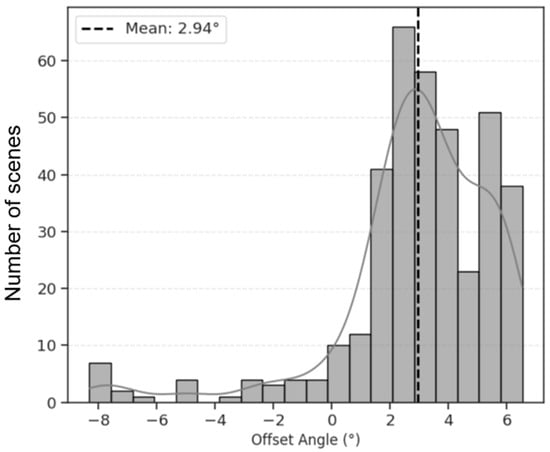
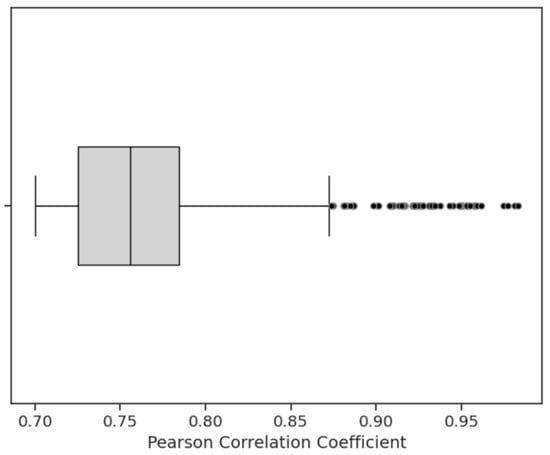
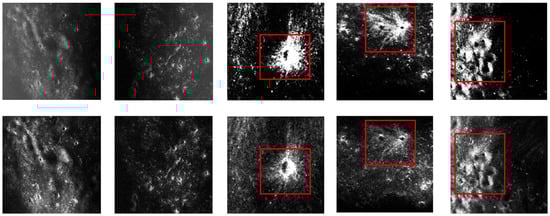
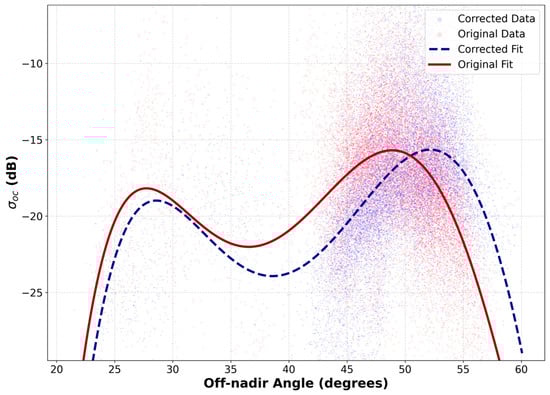
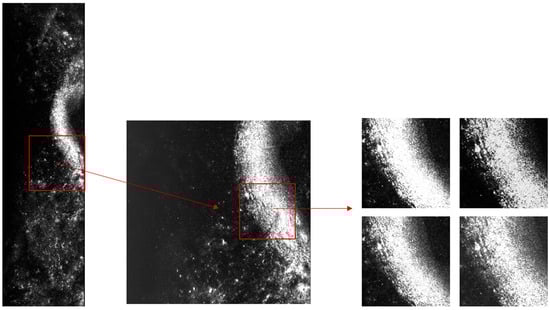
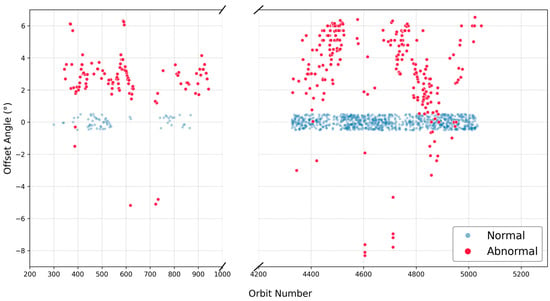
Systematic radiometric anomalies, manifesting as non-physical range-direction oscillations, significantly compromise the quality of Miniature Radio Frequency (Mini-RF) S-band SAR imagery and its scientific application in the lunar south polar region. In this study, we analyzed 1262 scenes from the Mini-RF archive in south polar regions. By employing a statistical screening method based on fitting the relationship of backscattering signal and off-nadir angle, 377 scenes (29.9%) were identified as radiometrically anomalous scenes with systematic errors. To correct these errors, a physics-based radiometric correction framework has been proposed by reconstructing the effective antenna gain pattern (AGP) of Mini-RF. Referenced relationship between the backscattering signal and the local incidence angle was established using normal scenes. For each anomalous scene, a simulation-driven gradient descent optimization approach is developed to estimate the offset of the AGP. Subsequently, the derived offset is applied to realign the AGP of the anomalous scene, effectively compensating for the systematic range-direction oscillations and restoring the true backscatter intensity. Using the proposed method, systematic errors in anomalous scenes have been eliminated effectively, reducing the Root Mean Square Error (RMSE) relative to the reference radiometric curve from 2.11 to 1.21 and decreasing the image entropy from 2.83 to 2.29. By eliminating systematic banding artifacts, the proposed method has significantly improved the radiometric fidelity of Mini-RF data. Furthermore, a temporal periodicity was found in the gain offsets, suggesting dynamic instrument distortion driven by variations in the orbital thermal environment.

7 February 2026

Flowchart for Radiometric Correction Framework.

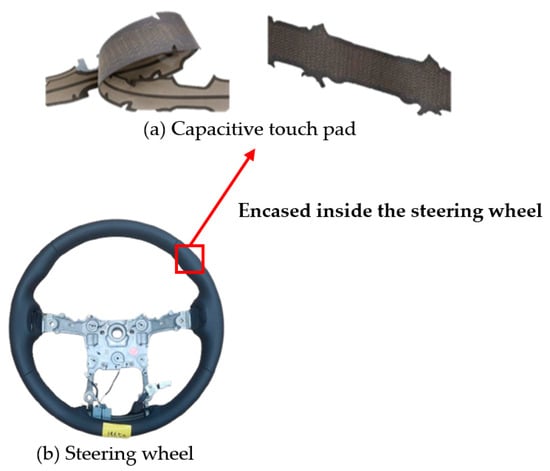
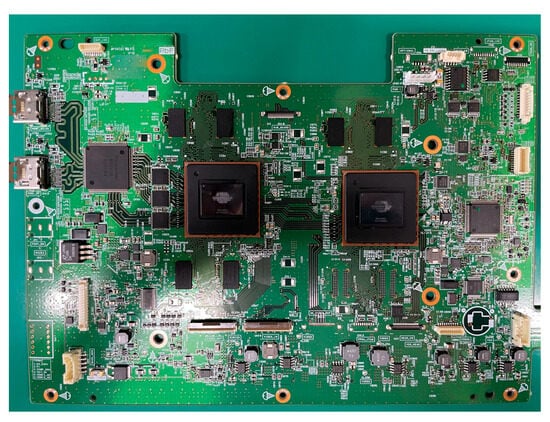
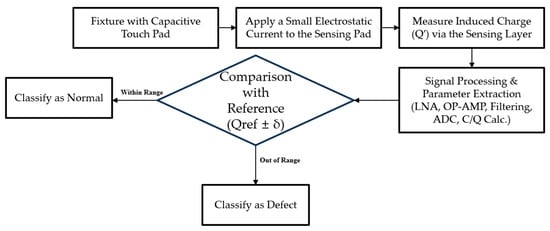
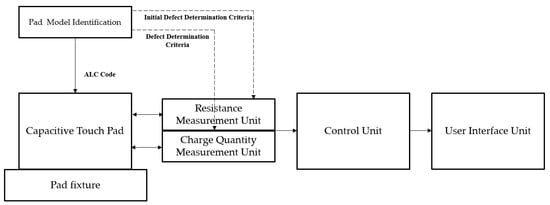
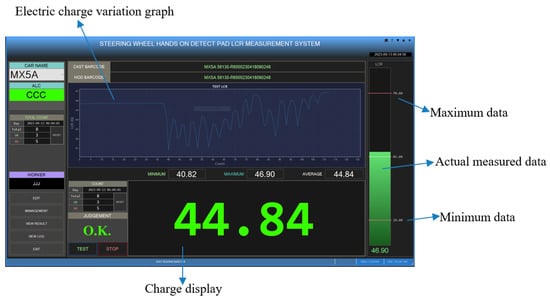
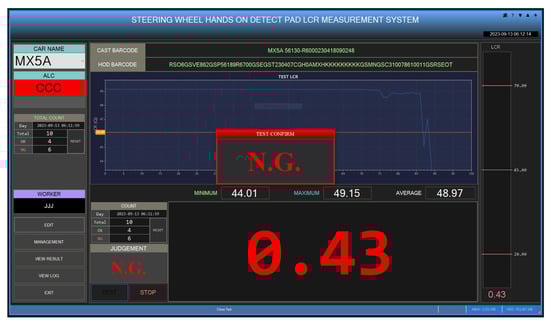
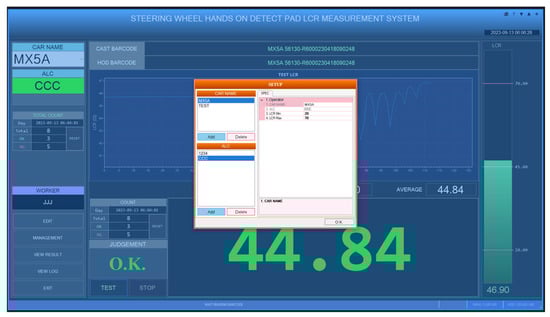
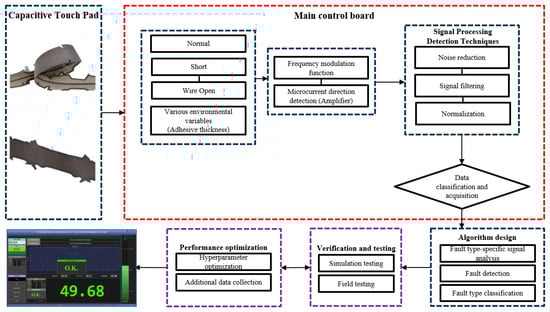
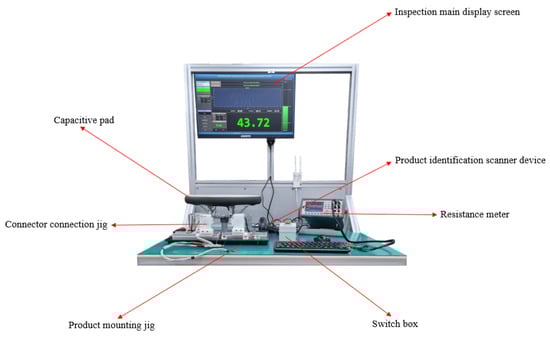
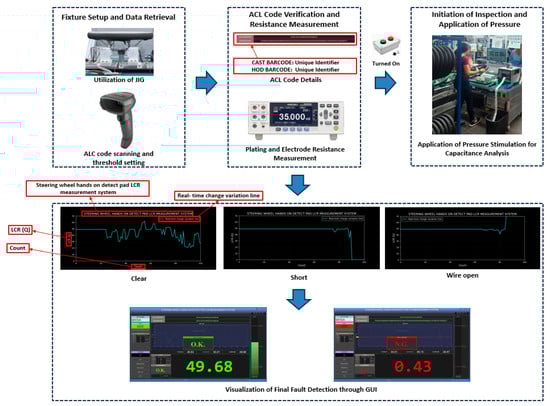
The hands-off detection (HOD) function plays a critical role in accurately identifying driver hand contact in advanced driver assistance systems (ADAS), thereby ensuring system reliability and safety compliance. Capacitive touch pads, which are extensively utilized for this purpose, are prone to various defects arising from their manufacturing process. These defects include pad friction, plating anomalies, pattern deformation, surface scratches, and press gaps. Despite their extensive utilization, a systematic methodology capable of detecting both surface-level and internal microstructural defects remains to be established. The present study proposes a capacitance defect detection algorithm grounded in charge quantity (Q) analysis. A dedicated main control board was developed, integrating signal amplification, analog-to-digital conversion, noise filtering, defect classification logic, and real-time visualization through a graphical user interface (GUI). The system was implemented on an operational automotive production line and validated through the inspection of over 240,000 capacitive touch pads under real-world manufacturing conditions. In this setting, the system successfully identified subtle defects that conventional visual inspection methods failed to detect. The proposed method addresses the limitations of traditional inspection techniques and introduces a structured approach to detecting complex defects in capacitive touch sensors. This research is of practical relevance in industrial settings and contributes a systematic framework for future advancements in HOD system reliability and quality assurance. Subsequent research endeavors will investigate the integration of artificial intelligence (AI) and machine learning techniques to facilitate predictive maintenance and intelligent defect management.

7 February 2026

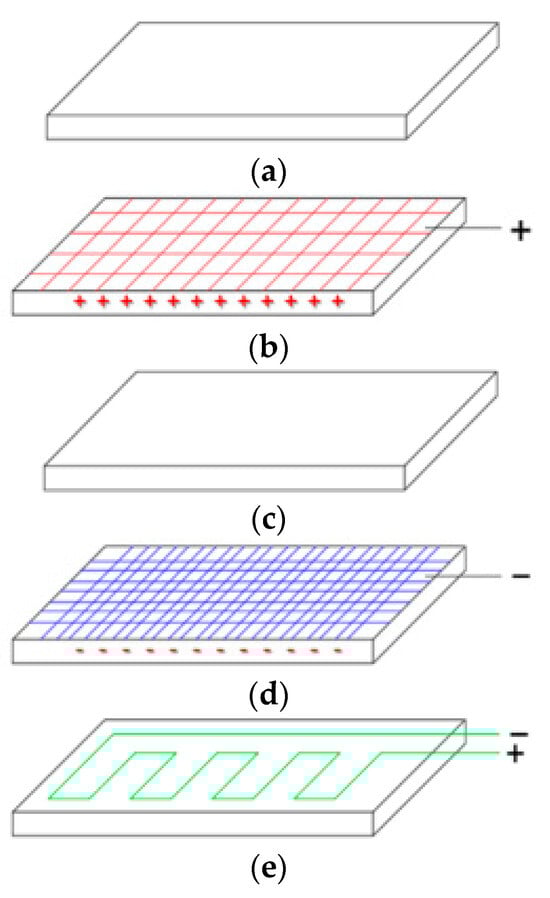
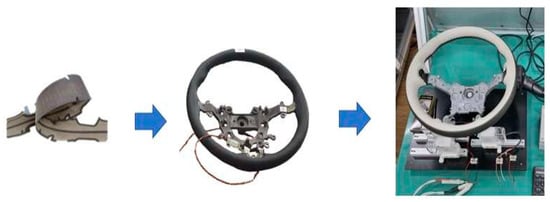
Structural integration of a capacitive touch pad inside the steering wheel for hands-off detection.

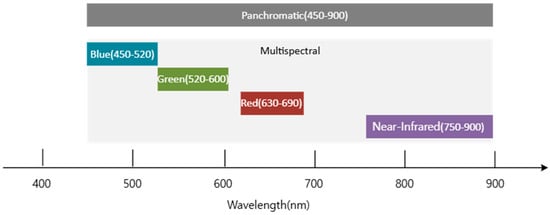
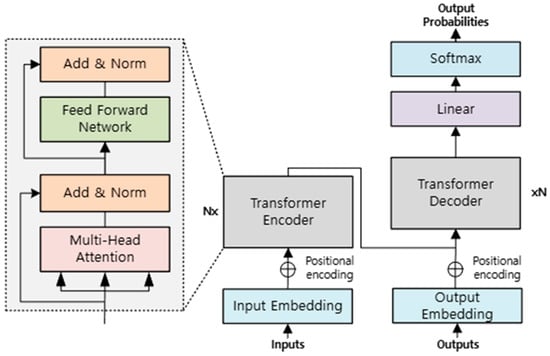
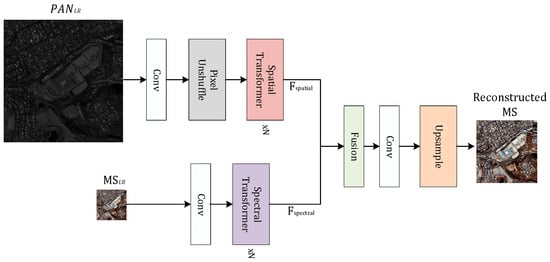
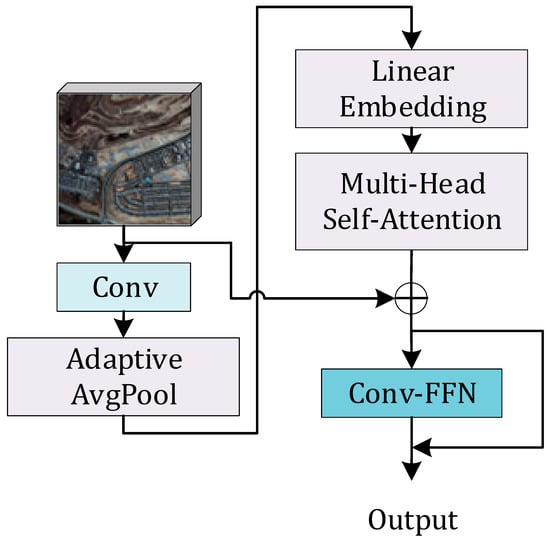
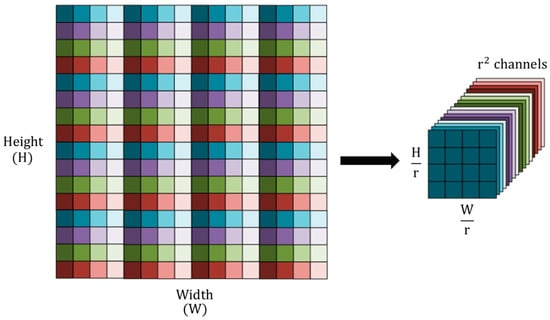
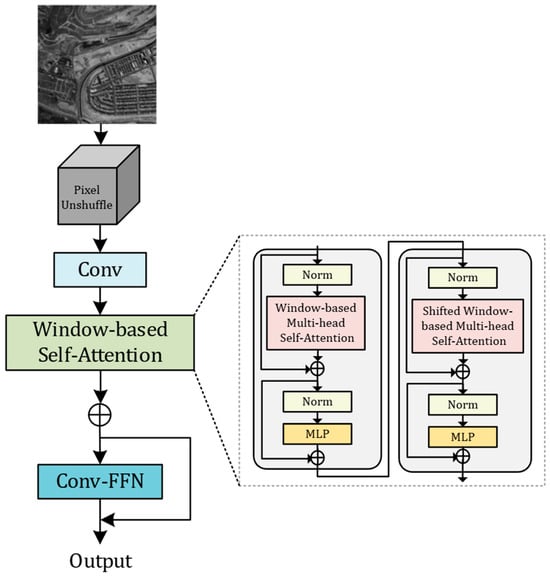
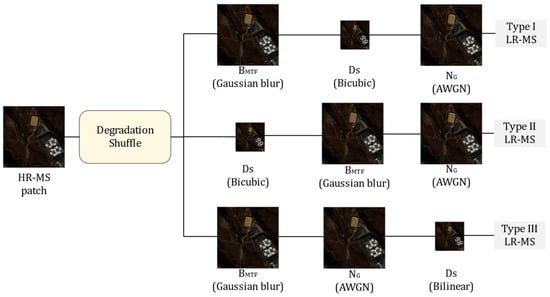
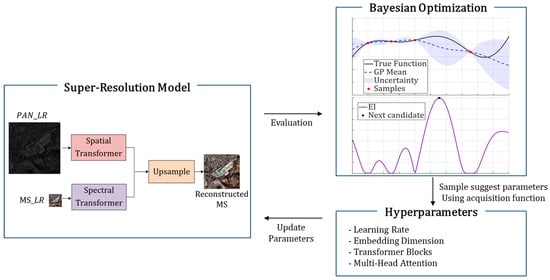
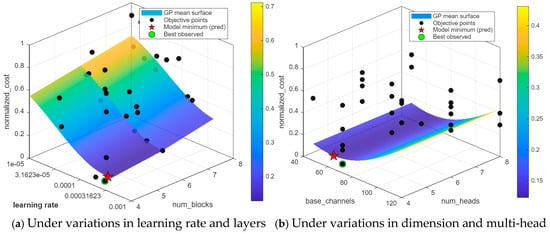
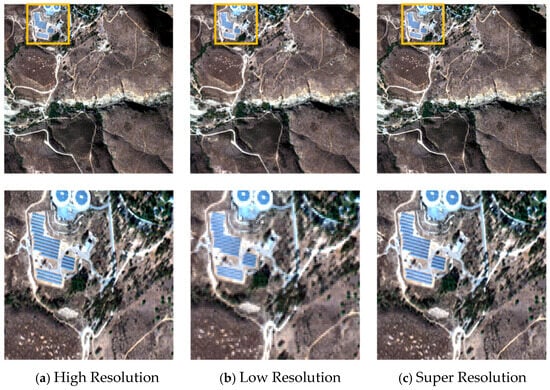
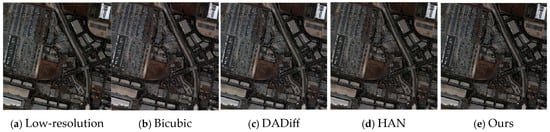
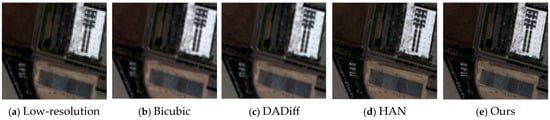
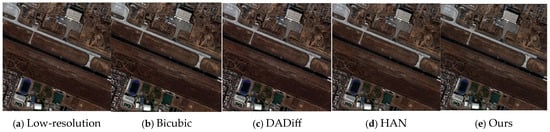
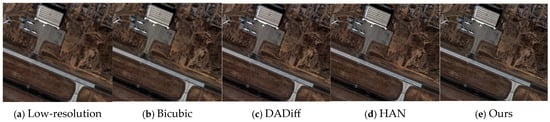
Multispectral (MS) satellite imagery provides rich spectral information for surface and atmospheric interpretation, yet its spatial resolution is often limited by sensor design. In this study, we propose a Transformer-based MS super-resolution framework that uses high-resolution panchromatic (PAN) imagery to supply complementary spatial detail cues for MS reconstruction and explicitly separates spatial enhancement from spectral preservation. In the spatial branch, PAN features are aligned to the MS grid via Pixel-Unshuffle and encoded with shifted-window self-attention to capture long-range spatial dependencies efficiently. In the spectral branch, spectral self-attention treats bands as tokens to learn inter-band correlations and maintain spectral consistency. The two representations are fused through channel concatenation and a 1 × 1 convolutional module, followed by a reconstruction head that upsamples the fused features to generate high-resolution MS outputs. For training, low-resolution MS inputs are synthesized from KOMPSAT-3A MS imagery using a degradation pipeline that combines modulation transfer function-based blur, downsampling, and additive Gaussian noise; the operation order is randomly permuted to emulate diverse acquisition conditions. In addition, Bayesian optimization is employed to explore network configurations through jointly considering the normalized mean absolute error and inference time. Experiments demonstrate that the proposed approach attains 46.23 dB PSNR, 0.9735 SSIM, and 3.12 ERGAS with approximately 167.4 K parameters, achieving a high restoration quality and computational efficiency across diverse degradation settings.

7 February 2026

Wavelength ranges of PAN and MS bands.

News & Conferences

Issues

Open for Submission

Editor's Choice

Reprints of Collections

Feature Paper Collection in the Section ‘Energy Science and Technology’
Reprint

Feature Paper Collection in the Section ‘Energy Science and Technology’

Editors: Demis Pandelidis, Katrzyna Wartalska, Martyna Grzegorzek
Cosmetics Ingredients Research
Reprint

Cosmetics Ingredients Research

Editors: Anna Waszkielewicz

Get Alerted

Add your email address to receive forthcoming issues of this journal.

XFacebookLinkedIn
Appl. Sci. - ISSN 2076-3417